


Pink? No thanks. Why my daughter chooses her own colors.
In brief
- Children are pushed into "girl colors" and "boy colors" early on – often subtly, through packaging, colors and prints.
- By about three years old, children start to categorize toys by gender – because their environment shows them how.
- Colors carry no inherent qualities. They are expression, emotion, and energy – and should be free.
- At Jolly Designs, we create toys that don't ask "Who is this for?", but rather say: "It's good that you're here."
It usually starts quite harmlessly. A quick trip to a store, looking for a new sweater – and suddenly we're back in front of that wall of pink. Glitter, tulle, glitter on tulle. Hearts, sayings, sequins.
My daughter goes quiet. "Don't you like that?" I ask. She looks at the floor. "I don't know... it's all so much." What she means: too much "girl," as it's often portrayed. What she actually thinks: Somehow, I don't belong here.
Because my daughter loves clear colors. Blue, dark green, turquoise. She prefers sneakers to ballet flats, loves non-fiction books about space, and toys where she can tinker, plug in, build, or sort. And when she plays with a new digger book or a tool set, it's simply one thing for her: exciting.
"Is that for girls too?"
Recently, I was in a store when a little girl asked a question that stuck with me: "Is that for girls too?" She was referring to a toy car. Blue. Sturdy. Adventurous. And I felt my breath catch for a moment. Because there's so much behind that simple question. So much uncertainty. So much unspoken expectation.
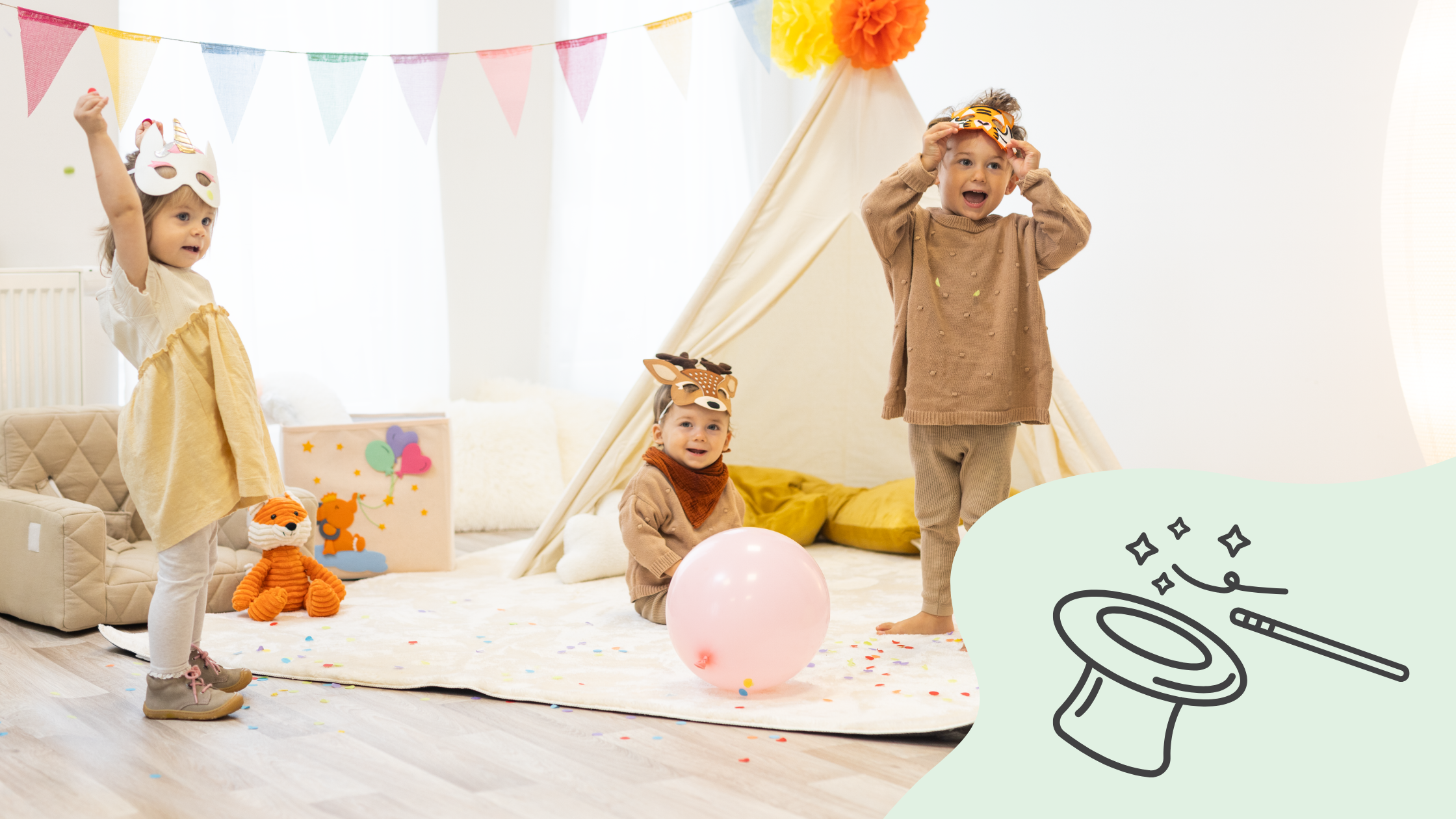
I'm grateful that my own children don't even have to ask that question. They know: colors are for everyone. Everyone can wear, play with, and love what feels good. Whether glitter or gray. Whether a digger or a craft kit. I'm glad I could give them that – that self-assurance that they are right just as they are.
But I also know: That's unfortunately not the norm yet. Far too often, children encounter boundaries – very subtly – in the form of packaging, colors, and prints. And eventually, they start to wonder: Do I even belong here?
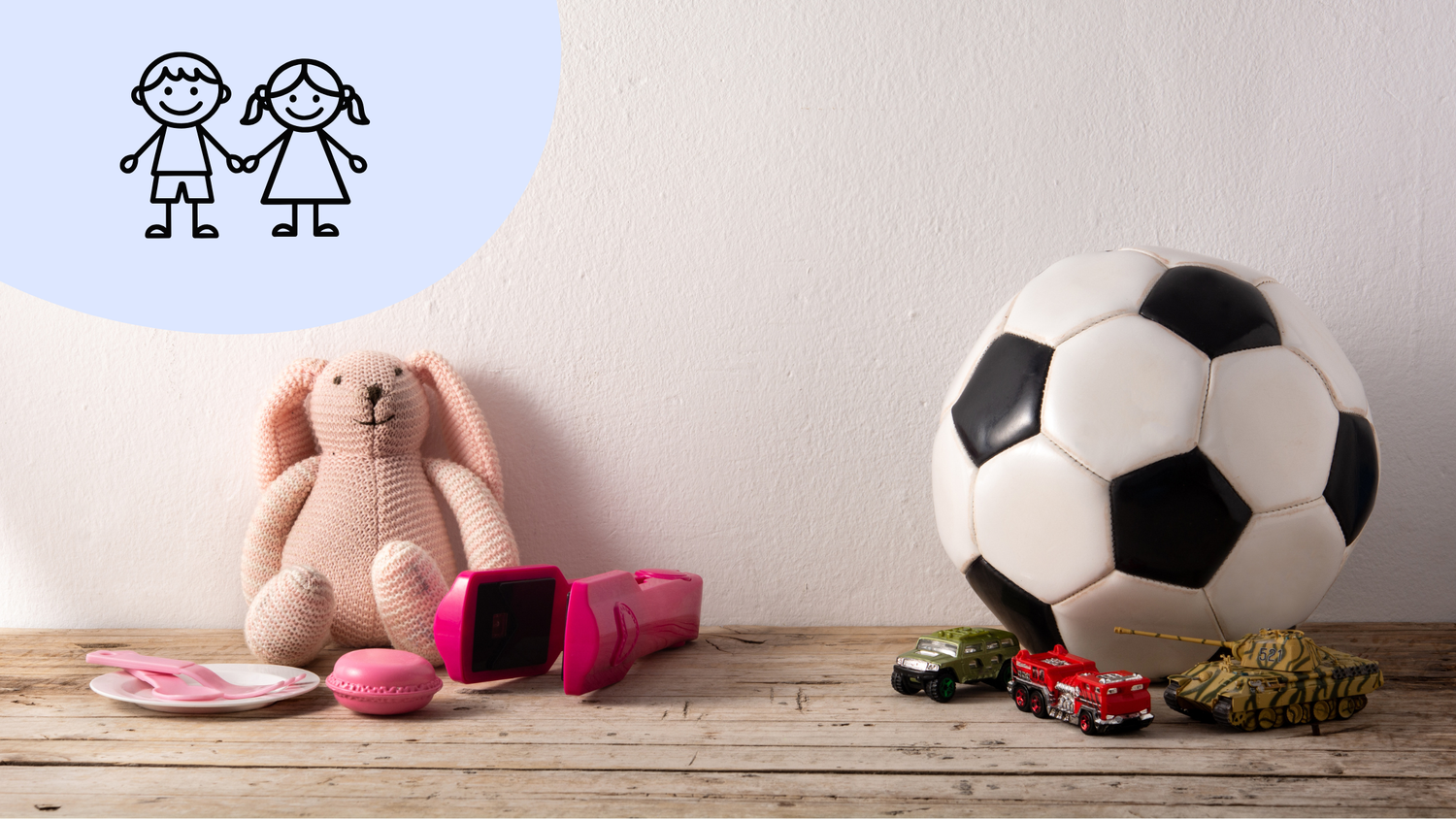
Studies show that by the age of three, children begin to categorize toys by gender – because their environment shows them how. Because "girls" is on pink doll boxes and "adventure" is on blue ones with robots. Because unicorns are cute and diggers are cool. And cool is often read as "not for girls."
But why, actually?
Why shouldn't boys be allowed to paint, craft, care? Why shouldn't girls be allowed to tinker, build, discover? Why do we even believe that colors carry qualities – instead of simply being an expression?
I want my child to be able to say: "I like that." Without then asking: "Am I allowed to like that?" And I wish for more products – clothes, books, toys – that say: "Of course you are. There's room for you here."
Because colors belong to no one. They are tools for exploring the world. They are emotion, energy, expression. And above all, they should be one thing: free.
At Jolly Designs, we create toys that don't ask, "Who is this for?" but rather say, "It's good that you're here." Our Quiet Books, Travel Buddies, and learning games celebrate diversity – with colors, shapes, and themes that empower children in their uniqueness.
Color is not a gender. It is the beginning of every story.

Leave a comment
All comments are moderated before being published.
This site is protected by hCaptcha and the hCaptcha Privacy Policy and Terms of Service apply.