


How much toys does a child need? Why less is often more
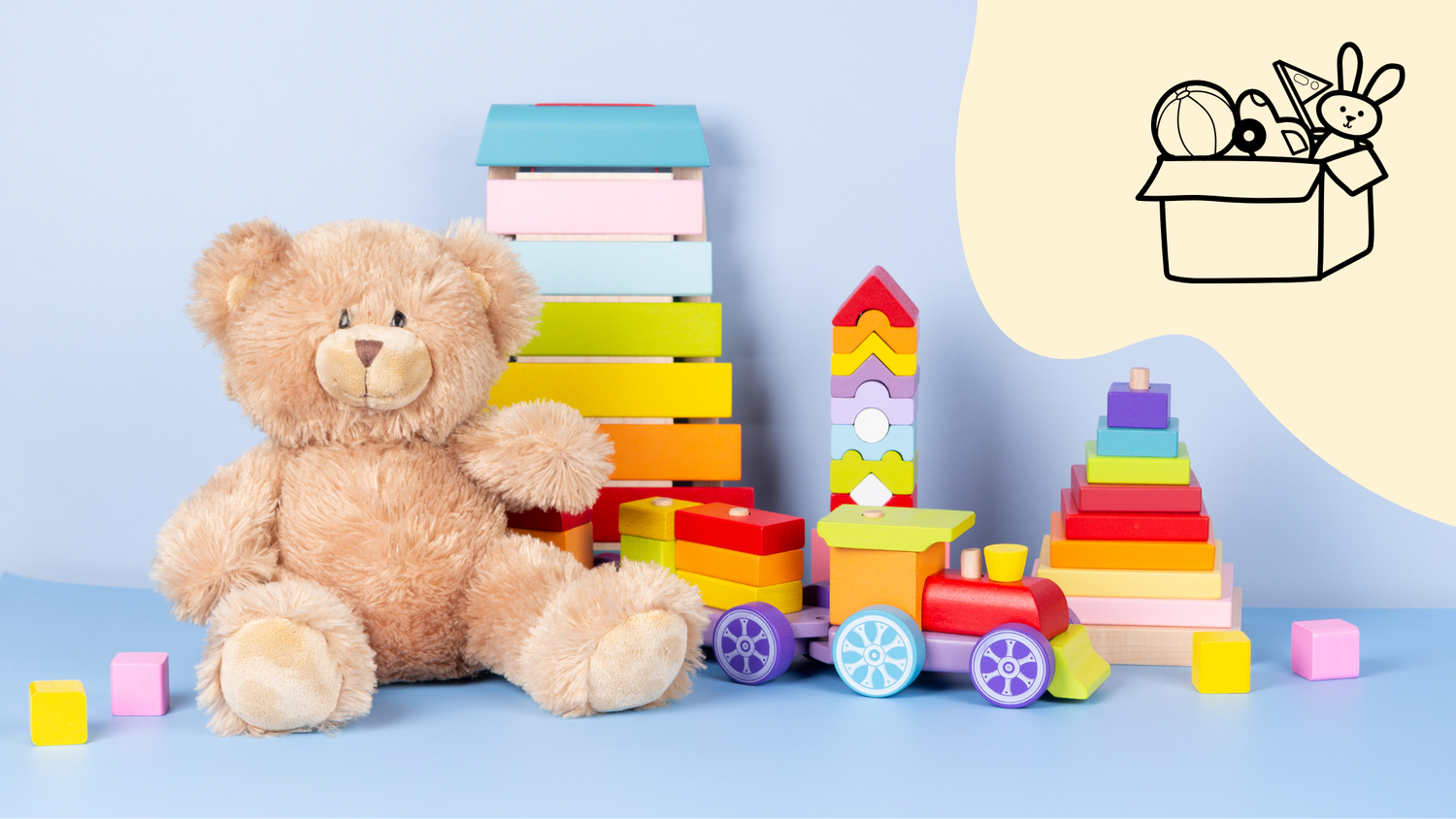
The toy box is overflowing, the shelf is full – and yet you hear "I'm bored". Does that sound familiar? Many parents and grandparents ask themselves how many toys a child actually needs, usually right when the next birthday or holiday makes the pile even bigger.
The short answer: significantly less than most children's rooms would suggest. In this article, we'll look at why too many toys can even be a hindrance, how much is truly enough – and how to declutter without a guilty conscience.
The problem with too many toys
It sounds paradoxical, but it's well observed: too many toys can overwhelm children rather than engage them. When twenty things simultaneously vie for attention, it's difficult to focus on just one. The child jumps from thing to thing without truly settling on any.
A much-cited study by the University of Toledo observed exactly this: toddlers who had fewer toys available played longer, more concentrated, and more imaginatively with individual items. Less choice does not mean less play – often quite the opposite. A tidy room with a few good things invites deeper engagement more than an overflowing one.
How many toys are enough?
There's no magic number – every child is different. But a helpful principle is: quality and variety beat quantity. A few well-chosen items that address different skills (movement, fine motor skills, imagination, calm) will benefit a child more than a mountain of similar toys.
This idea is also behind the Montessori concept of the "prepared environment": a clear, manageable space where everything has its place and the child can choose for themselves. You can read how this can look at home in our article Living Montessori at Home.
Toy Rotation: the simple trick
You don't have to throw half of them away – often it's enough to make them disappear for a while. The principle of toy rotation is wonderfully simple:
- Divide the toys into two or three groups.
- Only one group should be accessible at a time; put the rest out of sight.
- Swap them out after one to two weeks.
For the child, the swapped toys feel almost new – without having to buy anything new. And you'll quickly see which few pieces are truly loved and which ones are just taking up space.
How to recognize good, durable toys
If less is more, it's worth focusing on quality when it comes to that "less." Good toys can usually be recognized by the fact that they:
- clearly serve a purpose, instead of flashing and beeping all at once,
- are made of real, pleasant materials (felt, fabric, wood),
- are played with by the child themselves, not by a battery,
- grow with the child and can be played with in different ways for years,
- are durable – and don't end up in the trash after a few days.
A book instead of a whole box
Here the circle closes for us. The reason we believe so much in our cloth books: a single good Quiet Book combines what you would otherwise need half a toy basket for.
On a few felt pages, there's fine motor skills (zippers, buttons, shapes), language (naming animals and pictures), concentration, and quiet immersion – all without a screen. One book, many skills, a tidy place on the shelf. And because it can be played with differently as the child grows, it accompanies the child for years. Not a throwaway toy, but a piece that stays.
For the little ones, there are the handy Mini Quiet Books. That's exactly "less, but better" put into practice.
Decluttering without a guilty conscience
Sorting out is often harder than expected – after all, some items hold memories or were gifts. A few thoughts to make it easier:
- Broken and incomplete items can go, without a guilty conscience.
- Duplicates and rarely played with items are good for giving away or donating – another child will be happy.
- Involve the child (from about three years old): What can someone else have? This also teaches appreciation.
- Rotation instead of separation, if giving away is difficult – out of sight is often enough.
An emptier shelf is ultimately not a loss, but a gift: more peace, more focus, and more joy in the things that truly matter.
Frequent questions
How many toys does a child really need? Fewer than most people think. A few well-chosen items that address different skills encourage more than a large pile of similar toys.
Can too many toys be harmful? Not directly harmful, but it can overwhelm children and make concentration difficult. Less choice often leads to longer, more focused play.
What is toy rotation? You only make a portion of the toys accessible at a time and swap them out every one to two weeks. For the child, it feels almost new – without having to buy new items.
How do I best declutter toys? Sort out broken items, donate duplicates and rarely played-with toys, involve the child from about three years old – and if in doubt, put them away first instead of giving them away.
Less, but better – that's our approach. Discover our handmade cloth books that replace half a toy basket: many skills, one place on the shelf, completely screen-free.


Leave a comment
All comments are moderated before being published.
This site is protected by hCaptcha and the hCaptcha Privacy Policy and Terms of Service apply.