



This special project is very close to our hearts. It all began with a chance order from Ms. Wiesner, head of early intervention at Blindeninstitut Aschaffenburg. That order inspired us to start a collaboration focused specifically on the needs of children with delayed or impaired visual development, as well as children without sight – while remaining designed for every child. Our products are deliberately created to be engaging and beneficial for every child, regardless of any impairment. After several visits to the institute and in-depth exchanges with their dedicated staff, we were able to develop a special product line. This collection is designed for children who need extra support with perception and development. From the very start, the collaboration was shaped by creativity and dedication, and something unique emerged that benefits children, parents and educators alike.

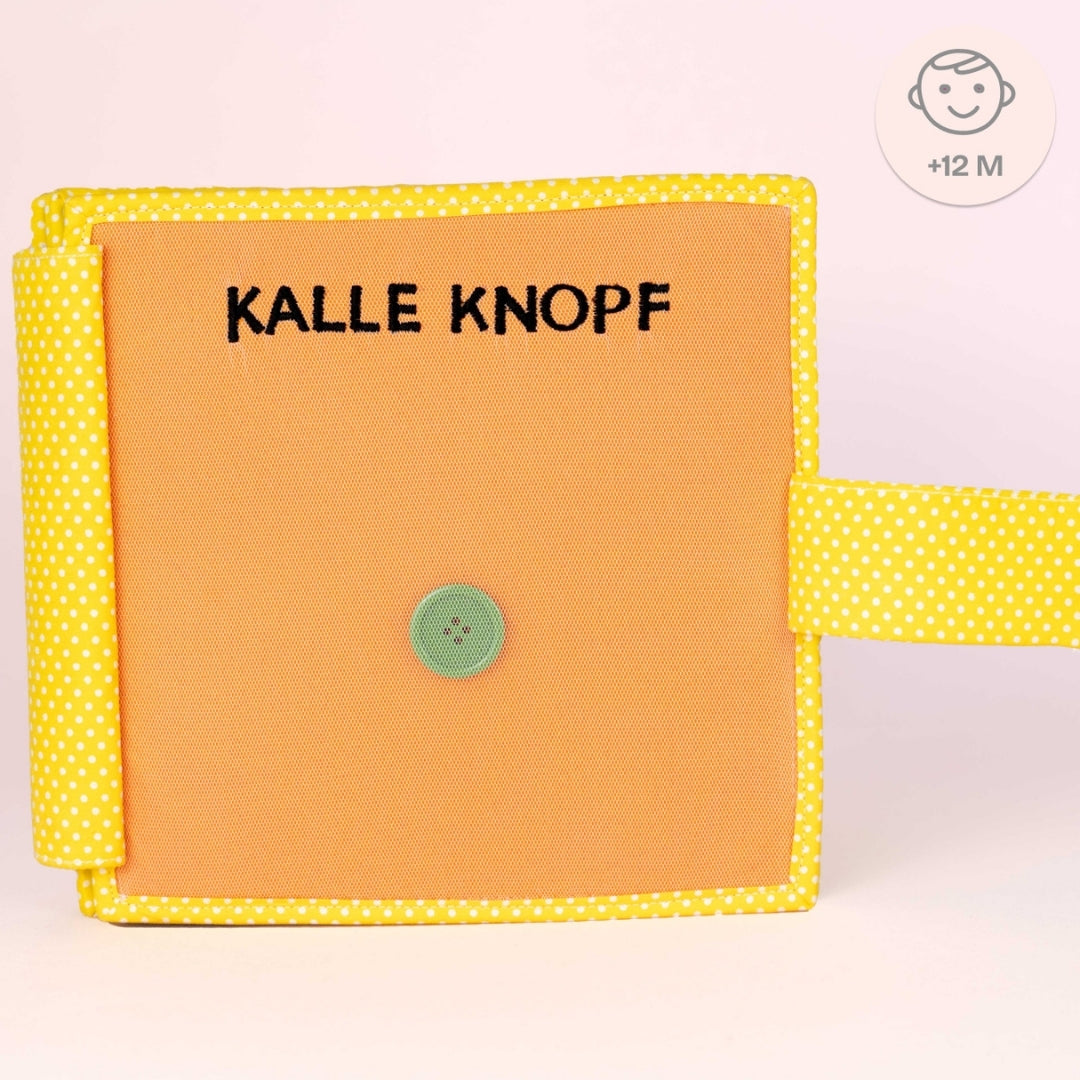
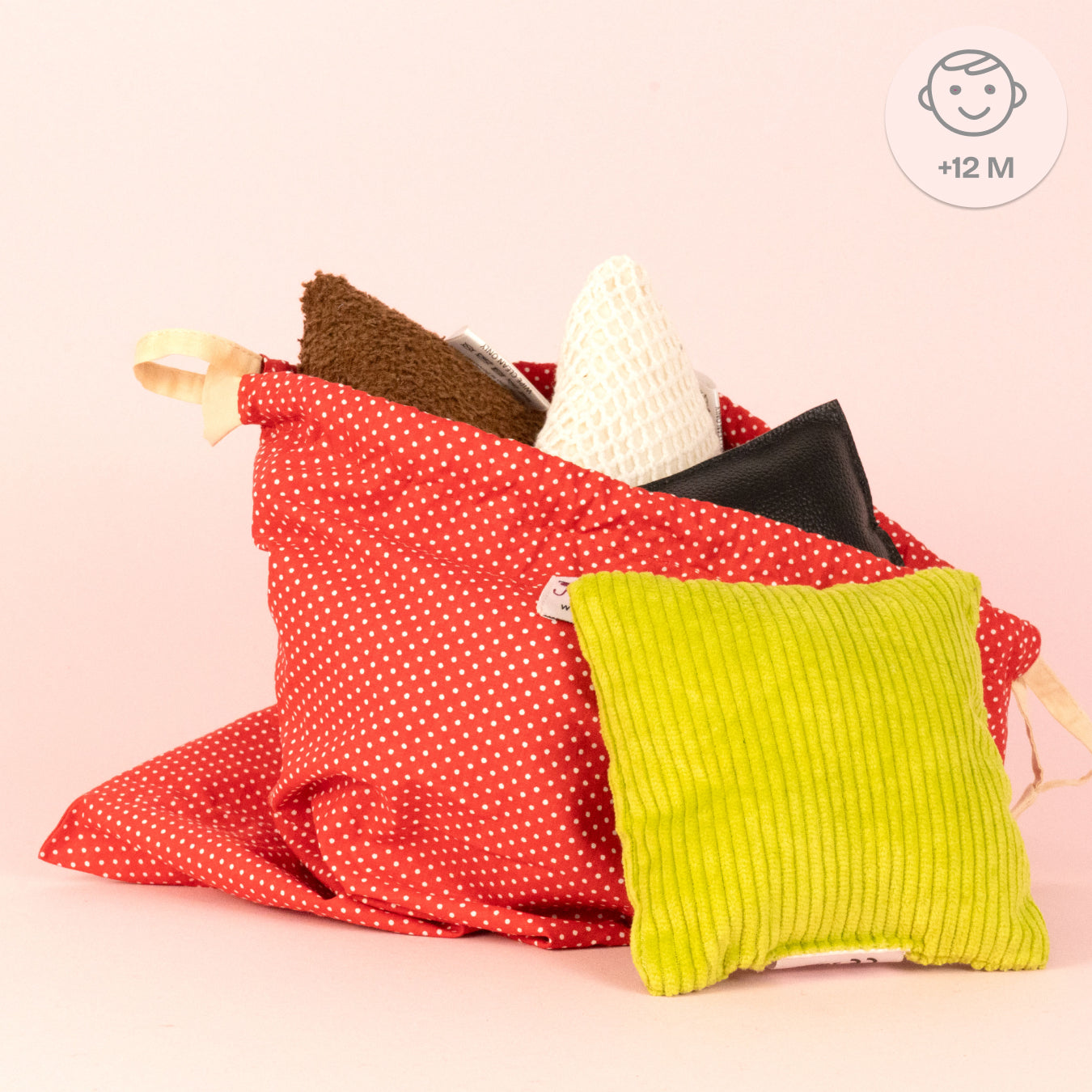
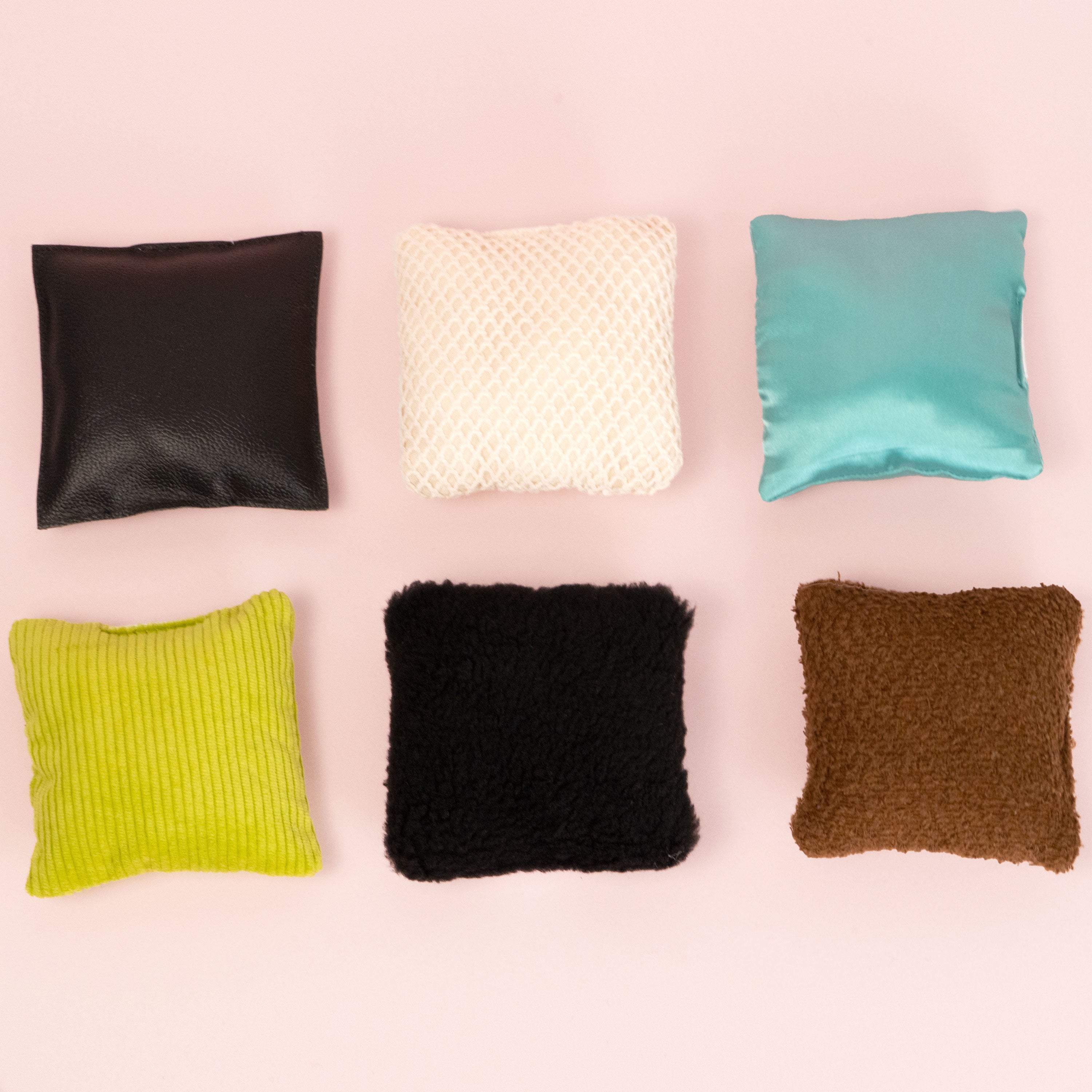
Our specially developed products playfully build tactile perception, hearing and motor development – skills that matter especially for children with visual impairments, but that are valuable for every child. By incorporating feedback and ideas from the on-site specialists, we made sure our products meet the high standards of early intervention work and give educators real, everyday support.
In Conversation with Ms. Wiesner
Background and Motivation
How did the contact with Jolly Designs come about?
Colleagues from our early intervention team who have small children of their own noticed Jolly Designs' products and recommended them for our children's development. What appealed to us most about the products was the wonderful design, the tactile feel, and the chosen themes. Since we wanted to order a larger number of books right away, I reached out to ask about a discount. To our delight, we got a positive response right away, along with an offer to collaborate, which we were very happy to accept. That made it possible to advise them on the specific needs of visually impaired or blind children, and in turn, to gain access to new product options.
Development Process
What special needs and requirements of visually impaired and blind children were considered during product development?
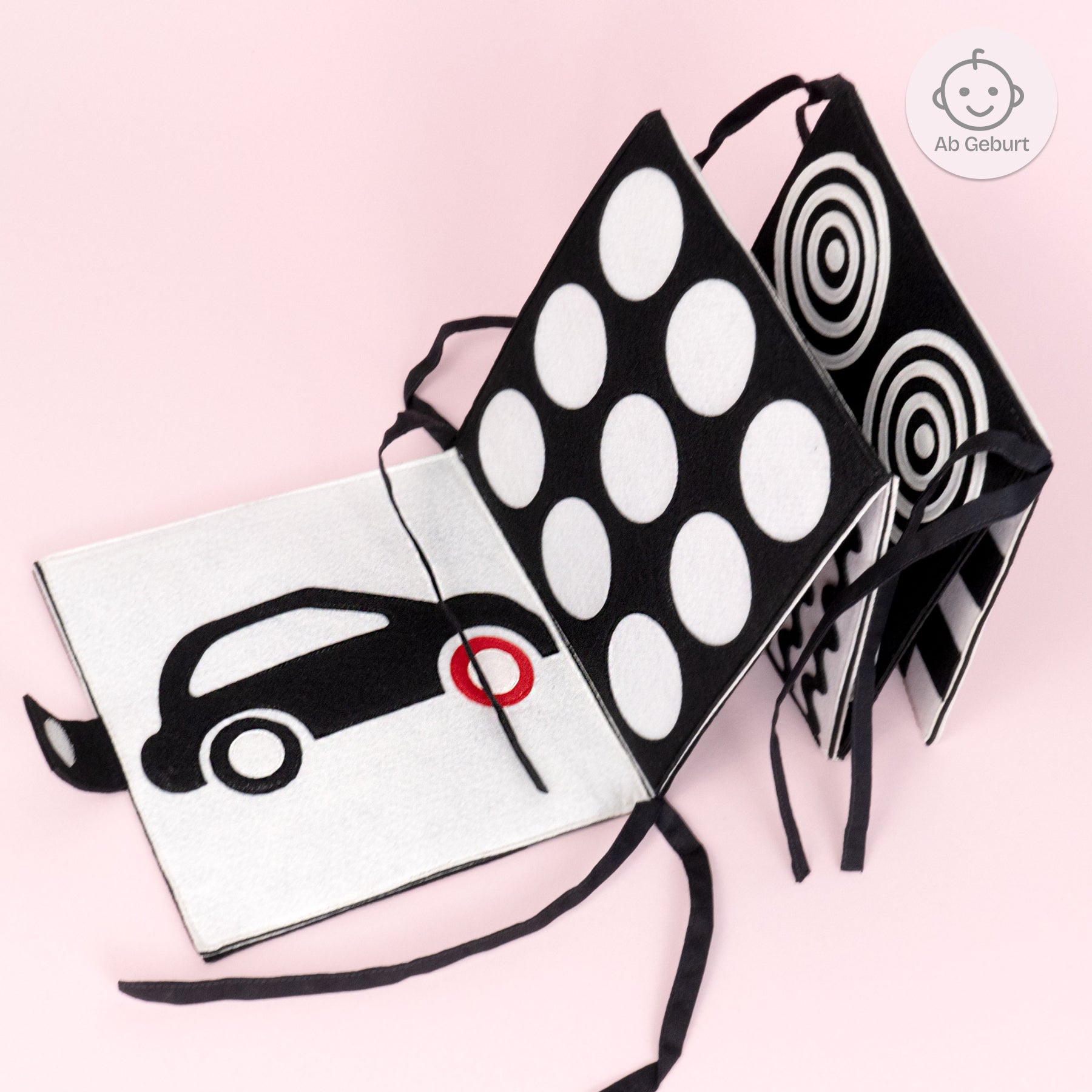
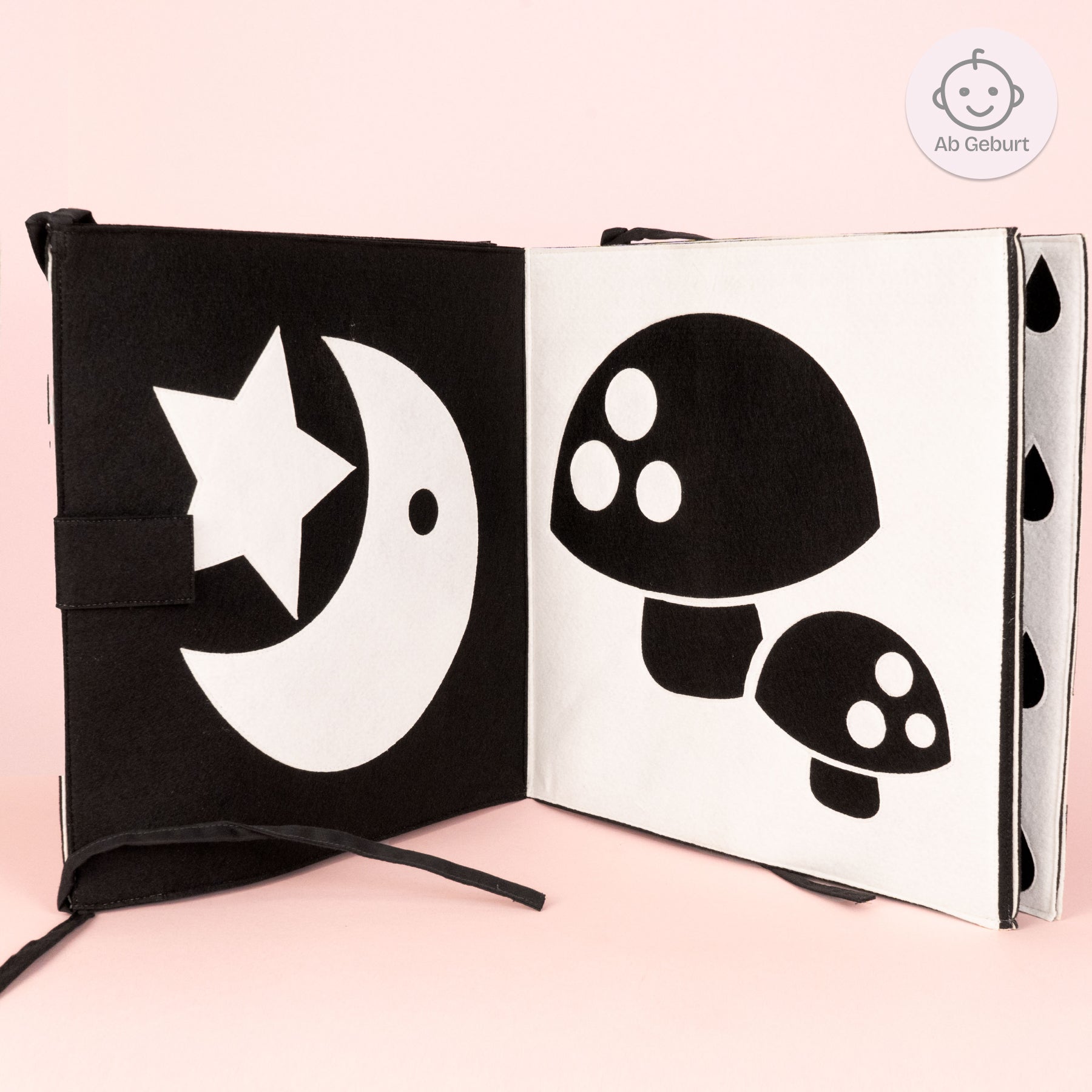
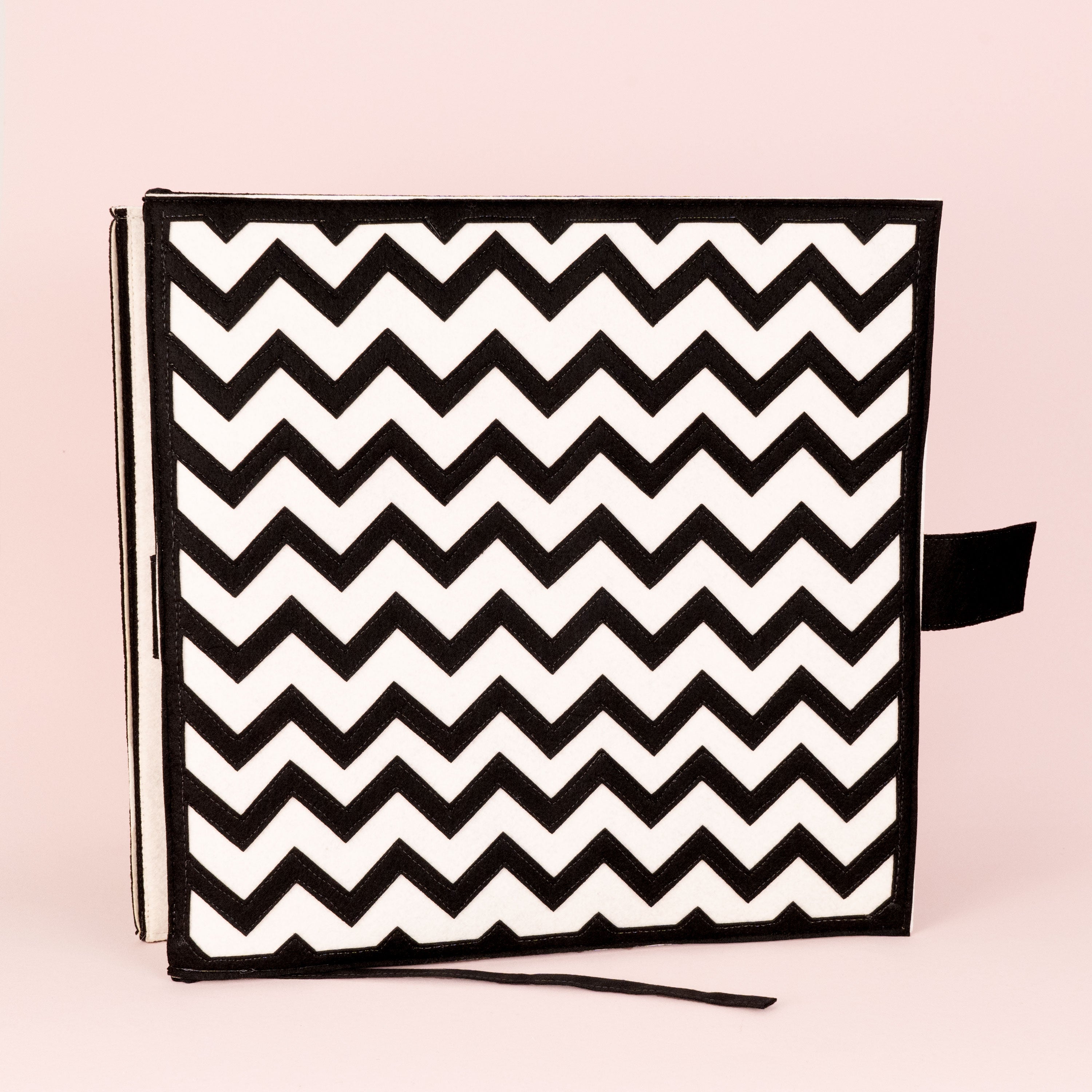
- Good contrast
- Spacing between individual illustrations and objects
- Single-color backgrounds
- Black-and-white elements
- Avoiding "cluttered" pages and overlapping elements
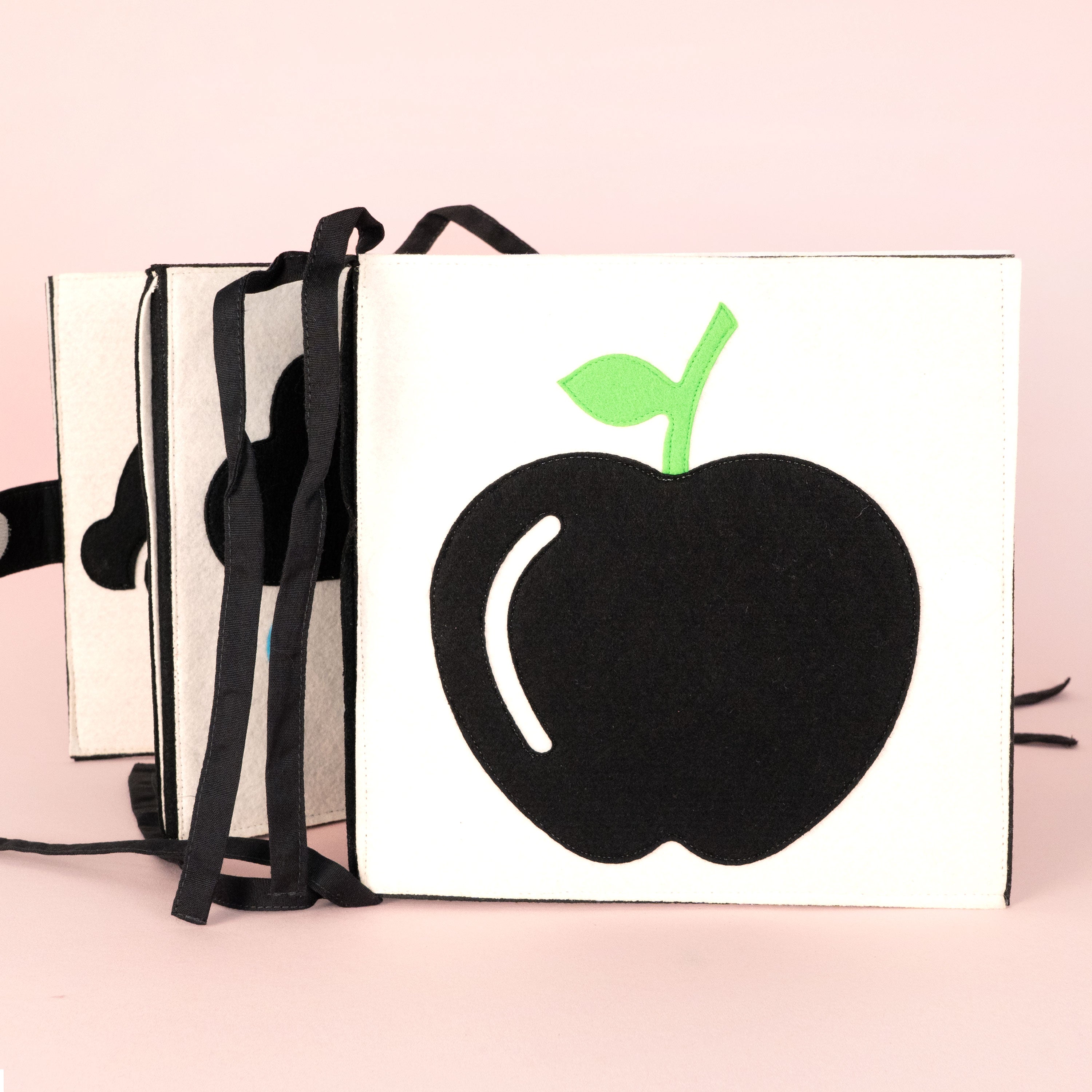
- Expanded tactile elements
- Developing special books for blind children
Product Features
What specific functions and features do the products have to help visually impaired and blind children?
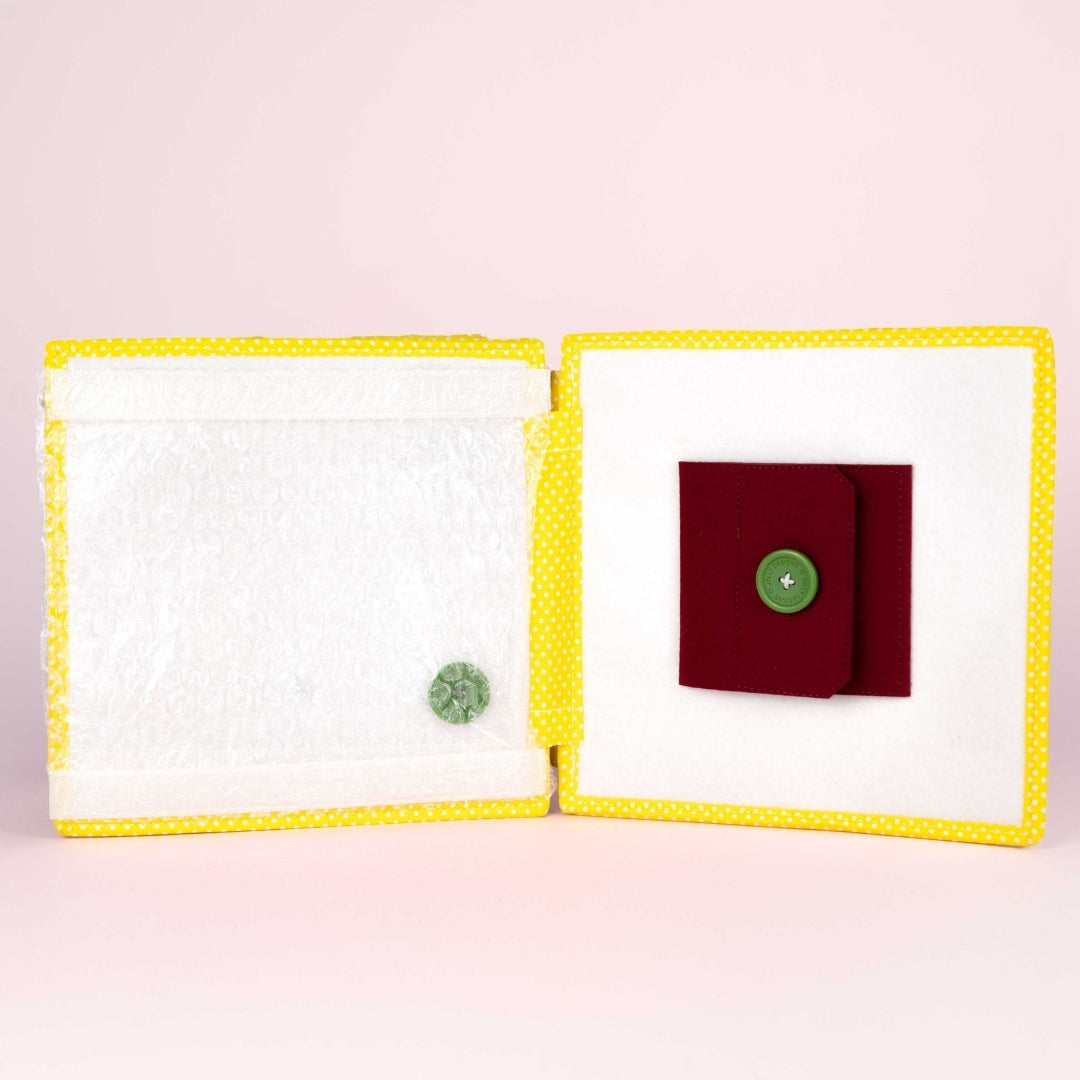
This overlaps a bit with the previous point. On top of that, individual elements can be detached from the book but stay tied to the page with a thread, so they never get lost. There are no sharp edges (like you might find on some paper books) that could cut a blind child. Because the pages are made of felt and fabric, they don't lie tightly against each other, which makes them easier to turn. Compared to a paper or board book, the felt and fabric offer a whole new tactile experience. The books allow for lots of interactive moments too, thanks to built-in fasteners and little pockets. All in all, the Jolly books offer a wonderfully wide range of experiences.
Feedback and Improvements
What feedback have you received from the children and their parents about the products?
We consistently get very positive feedback. Thanks to the lovely design, it's not just the children who enjoy the books, but the parents too. The detailed feedback often touches on the points I already mentioned under product features. By the way, the parrot with the shimmering sequins is a huge hit with the kids. Sparkly objects are very appealing visually.
Impact and Success
Do you have examples of how the products have improved the children's lives?
It's very difficult to pin down a specific success directly to the Jolly books, since we use a variety of different materials in every session with the children, so we can't say exactly what drove a particular bit of progress.
What measurable successes or positive changes have you observed since introducing the products?
Ultimately, the success lies in the fact that the children genuinely enjoy playing with the products, which shows they truly meet the child's needs. A product that doesn't take the visual impairment into account gets set aside quickly.
How did the contact with Jolly Designs come about?
Colleagues from our early intervention team who have small children of their own noticed Jolly Designs' products and recommended them for our children's development. What appealed to us most about the products was the wonderful design, the tactile feel, and the chosen themes. Since we wanted to order a larger number of books right away, I reached out to ask about a discount. To our delight, we got a positive response right away, along with an offer to collaborate, which we were very happy to accept. That made it possible to advise them on the specific needs of visually impaired or blind children, and in turn, to gain access to new product options.
What special needs and requirements of visually impaired and blind children were considered during product development?
- Good contrast
- Spacing between individual illustrations and objects
- Single-color backgrounds
- Black-and-white elements
- Avoiding "cluttered" pages and overlapping elements
- Expanded tactile elements
- Developing special books for blind children
What specific functions and features do the products have to help visually impaired and blind children?
This overlaps a bit with the previous point. On top of that, individual elements can be detached from the book but stay tied to the page with a thread, so they never get lost. There are no sharp edges (like you might find on some paper books) that could cut a blind child. Because the pages are made of felt and fabric, they don't lie tightly against each other, which makes them easier to turn. Compared to a paper or board book, the felt and fabric offer a whole new tactile experience. The books allow for lots of interactive moments too, thanks to built-in fasteners and little pockets. All in all, the Jolly books offer a wonderfully wide range of experiences.
What feedback have you received from the children and their parents about the products?
We consistently get very positive feedback. Thanks to the lovely design, it's not just the children who enjoy the books, but the parents too. The detailed feedback often touches on the points I already mentioned under product features. By the way, the parrot with the shimmering sequins is a huge hit with the kids. Sparkly objects are very appealing visually.
Do you have examples of how the products have improved the children's lives?
It's very difficult to pin down a specific success directly to the Jolly books, since we use a variety of different materials in every session with the children, so we can't say exactly what drove a particular bit of progress.
What measurable successes or positive changes have you observed since introducing the products?
Ultimately, the success lies in the fact that the children genuinely enjoy playing with the products, which shows they truly meet the child's needs. A product that doesn't take the visual impairment into account gets set aside quickly.

Achieving More Together
For us at Blindeninstitut Aschaffenburg, this collaboration has been a real win. You've developed products for us that we simply couldn't find anywhere else on the market. Some products we used to make ourselves by hand, in a time-consuming process of cutting and gluing – and the results weren't always pretty. Now we get well-suited products with appealing design and wonderful craftsmanship. We're very happy about that, and we hope we can keep this creative collaboration going with you.
For us at Jolly Designs, it's a great privilege to support this project with the institute. We're grateful for the collaboration with such a dedicated team that works every day to improve these children's lives. It fills us with joy to know our products not only give children and their families new opportunities to grow, but also support educators in their important work.