




Gentle Everyday Moments: 5 Tips for Loving Parenthood
In brief
- Need-oriented guidance means: trust and closeness instead of pressure.
- Children build self-confidence when they are allowed to act at their own pace.
- Routines provide security, frustration is okay, free play is golden.
- It's not the perfect moments that count – but the small ones.
Accompanying children is sometimes wonderful, sometimes challenging – and often both at the same time. More and more parents therefore wish for a loving, mindful approach in everyday family life: a path that is not based on pressure, but on trust, closeness, and understanding.
Here are five simple tips for more need-oriented, loving moments in everyday life – without any claim to perfection, promised.
💛 1. Promote independence early
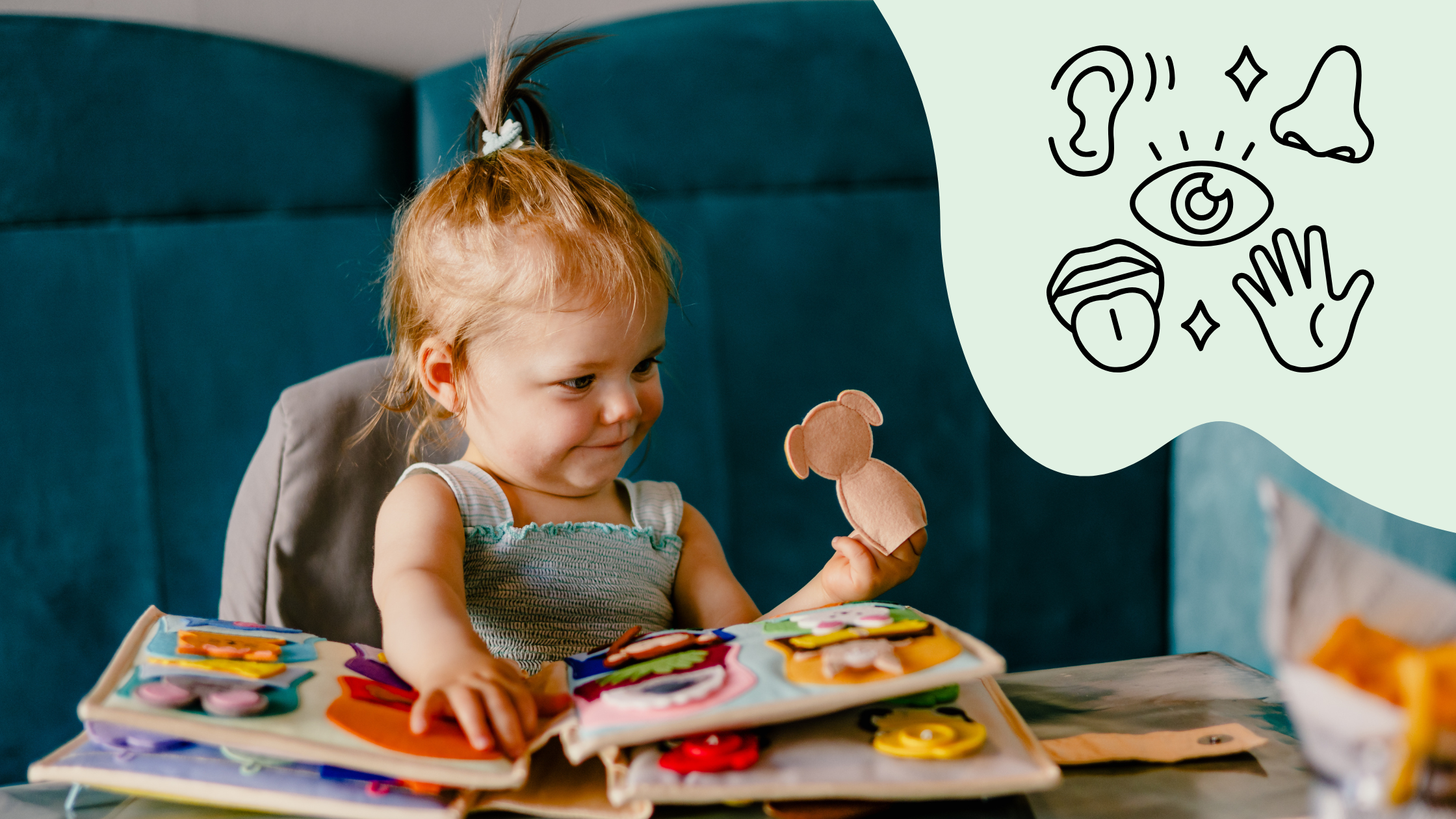
Children want to explore the world themselves. When they are allowed to try things out, feel, and be active themselves, it naturally strengthens their self-confidence – buttoning, sorting, opening and closing, discovering shapes. And all at their own pace.
✨ Small tip: Let your child choose what they want to play with. This strengthens initiative and makes learning even more enjoyable.
💛 2. Accompany communication playfully
Children want to communicate – long before they can put everything into words. Small shared games create valuable conversation moments: "Where is the circle?", "Which color do you like best?"
Playful questions promote language, attention, and above all, the connection between you.
💛 3. Create rituals that provide security
Repetitions and fixed routines help children feel secure. A small morning or evening ritual with familiar toys can be incredibly soothing – for example, a few quiet minutes with a favorite book, always at the same time.
Such routines provide orientation and security. You can read how to establish a gentle bedtime routine in Baby Sleep Ritual.
💛 4. Gently accompany frustration
Frustration is part of development. Children don't have to "function" immediately – they need guidance, understanding, and opportunities to regulate themselves.
Calm, sensory activities like zippers, velcro fasteners, lacing games, or buttons help many children calm down and refocus their attention. And if emotions really boil over, you'll find seven loving ways through the storm in Accompanying Tantrums.
💛 5. Allow free play
Free play is incredibly valuable. Children develop creativity, concentration, problem-solving skills, and self-confidence. Often, not much is needed for this – just space, time, and materials that invite exploration.
This is exactly what our Montessori-inspired Quiet Books are designed for: clear tasks that your child can master independently, completely without a screen and at their own pace. How dexterity grows effortlessly is shown in Promoting Fine Motor Skills.
✨ Loving parenthood starts small
It's often not the perfect moments that count. But the small ones:
- 💛 laughing together
- 💛 patiently guiding
- 💛 building trust
- 💛 and trusting children to go their own way
Less pressure. More connection. More shared childhood. 💛


Leave a comment
All comments are moderated before being published.
This site is protected by hCaptcha and the hCaptcha Privacy Policy and Terms of Service apply.